A Tale of Mumbai, the City of Dreams
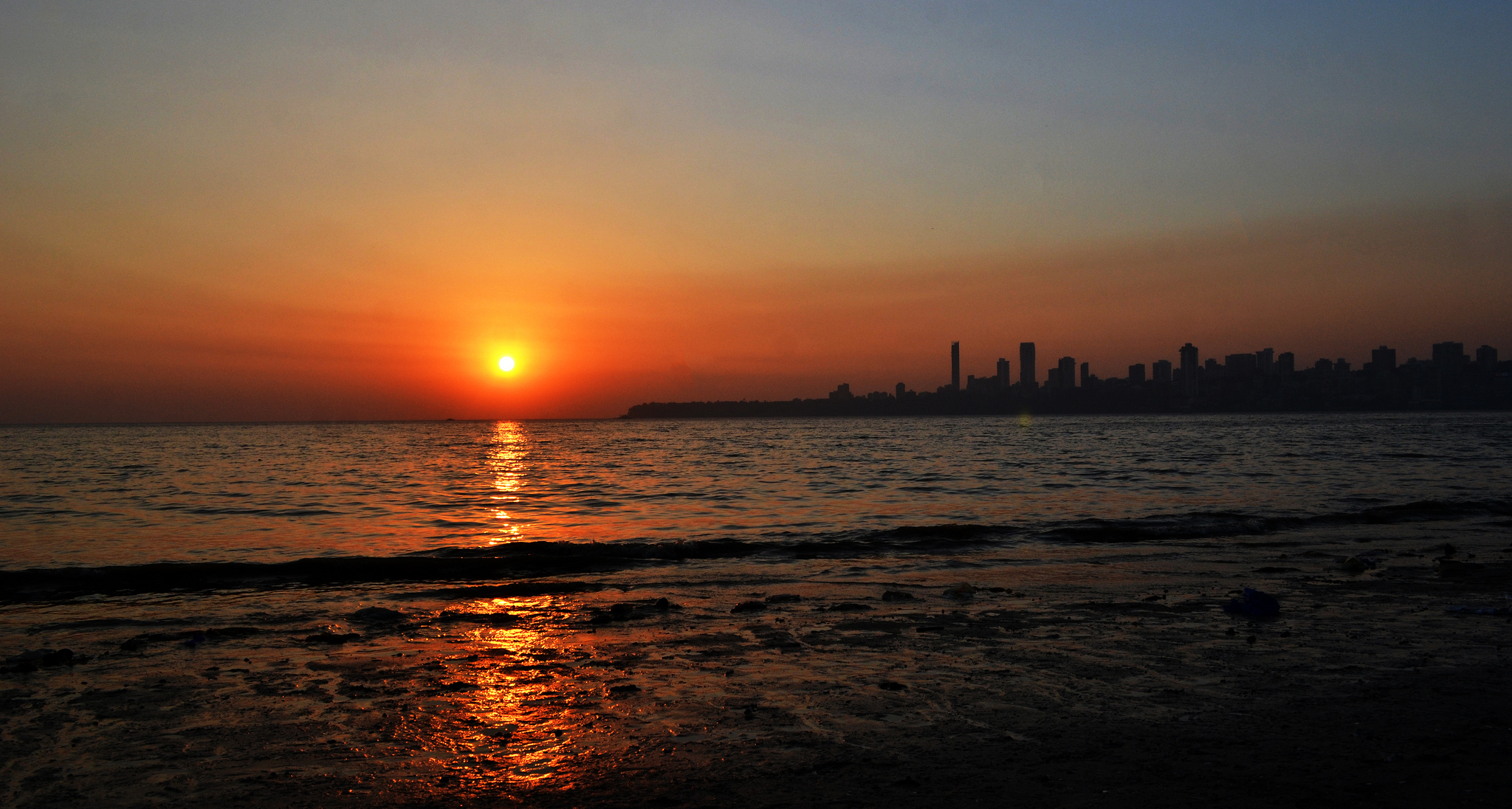
I came to Mumbai, the city of dreams as a reluctant outsider. Having spent most of my life in the cozy suburbs of New Delhi, I was ‘North Indian’ in the true sense of the word. I remember seeing Mumbai on television as a child and thinking that it is a curious city where Bollywood happens. And yes, Cricket too.
A few years later, as I managed to plough-through the thousand odd pages of Shantaram, I felt as if it spoke in voices that were more recognizable with the various genres of a third-world pulp-fiction than could really be plausibly attributed to a Mayanagri. Poverty existing cheek-by-jowl alongside vulgar riches, the underworld that gets the city to eat from its hands, the redemptive qualities that slum-dwelling Indians have cultivated which somehow shields them from resorting to something of a civil-unrest.
The thing is, there is hardly anything redemptive about extreme poverty. It strips a human of his most basic right to live a life of dignity. The kinship and unadulterated humanity that the people of Mumbai’s slums have been depicted to display in the book are, if anything, in spite of their life conditions, not because of it. I saw nothing to celebrate in it. In any case, literary merits aside, the book can’t inspire a teenager like me to pack his bags and leave for a city to spend his holidays. The details of the underworld and the gang-wars can get you hooked to a story but it takes extreme courage (bordering on stupidity) to think about getting to the places where the action happens. In any case, the police had wiped off the entire nexus more than a decade earlier and what remained was a city bustling with people “that never stopped” (or so went the narrative from the noisy 24*7 news channels). I never really fancied Bollywood either. And so, Mumbai remained a conveniently obscure city that held no immediate charm for me. As fate would have it, work brought to this city that I now call home.
When I set foot in Mumbai for the first time, it hit me with this intent and electricity. There is no taking-it-easy with this place. The city, by and large, is not a pretty sight. Torrential rains give it a grey and withered look that is especially jarring to the eyes if you are traveling from some of the greener cities of the country. Until you get used to them, the roads make you feel claustrophobic as the concept of a footpath vanishes into thin air. The poor go on with their business and seem to be content with their lives. The rich seem to live in an almost parallel, distant world- almost playing out from a script in George Orwell’s, “Down and Out in Paris and London.”
The Vada Pav and Chai Stall at the corner of the street blends in effortlessly with the five-star hotel just a stone’s throw away. Mumbai is a story of dazzling contradictions. It stands like a needle to the idea of a classless society but there is no simmering strife underneath the calm on the surface. If you need any evidence that this country has moved on for good from its little dalliance with Marxism, you need not look beyond Mumbai. It is brazenly pragmatic. It is not moving towards being an ‘ideal’ society. Falling in love with this place is difficult if you come looking for it. It is not what makes it great.
There is a unique rhythm to the life here. You recognize it fully when you get away from it. Things seldom, if ever, come to a boil here. It’s a pleasant change from the cultural basket-case that is the New Delhi of today. You can feel it among the social elites of “the town” as well as the ordinary folks toiling in “the suburbs”. You can experience the city’s joie-de-vivre even in the chaos of the Gateway of India and the squeezed spaces of a ride on a “local”. It is a city of sights – not all of it pretty or pleasant. One moment it annoys you because you are stranded in the middle of the road flanked by the army of “Govindas” who are after the Dahi Handi suspended from a crane-hook more than thirty feet high. You gasp at the pointlessness of the ‘ritual’ unfolding in the sweltering heat of Mumbai’s tropical summer. In the next few moments, you witness a most spectacular human-pyramid of boisterous young men who would have passed off as ordinary Mumbai urchins a while ago. You give in to the moment, albeit a bit reluctantly. You acknowledge that you’re richer for the experience – for being a reluctant onlooker. It’s like the begrudging acceptance of losing an argument – one that you don’t really mind losing. Mumbai, the city of dreams wins you over bit-by-bit. It is relentless. It is about the little victories you score when you finally convince the “boss” driving the “rick” to finally go to your place when you have been spurned by a few before him, to beat the monsoon and reach home dry. It is a sea of people celebrating life.
